Travel agencies
Example storyHow a Jaipur travel agency follows up on every quote
Rangoli Routes put Instagram and ad enquiries into one pipeline, sent the first reply on WhatsApp straight away and scheduled three follow-ups after every quote.
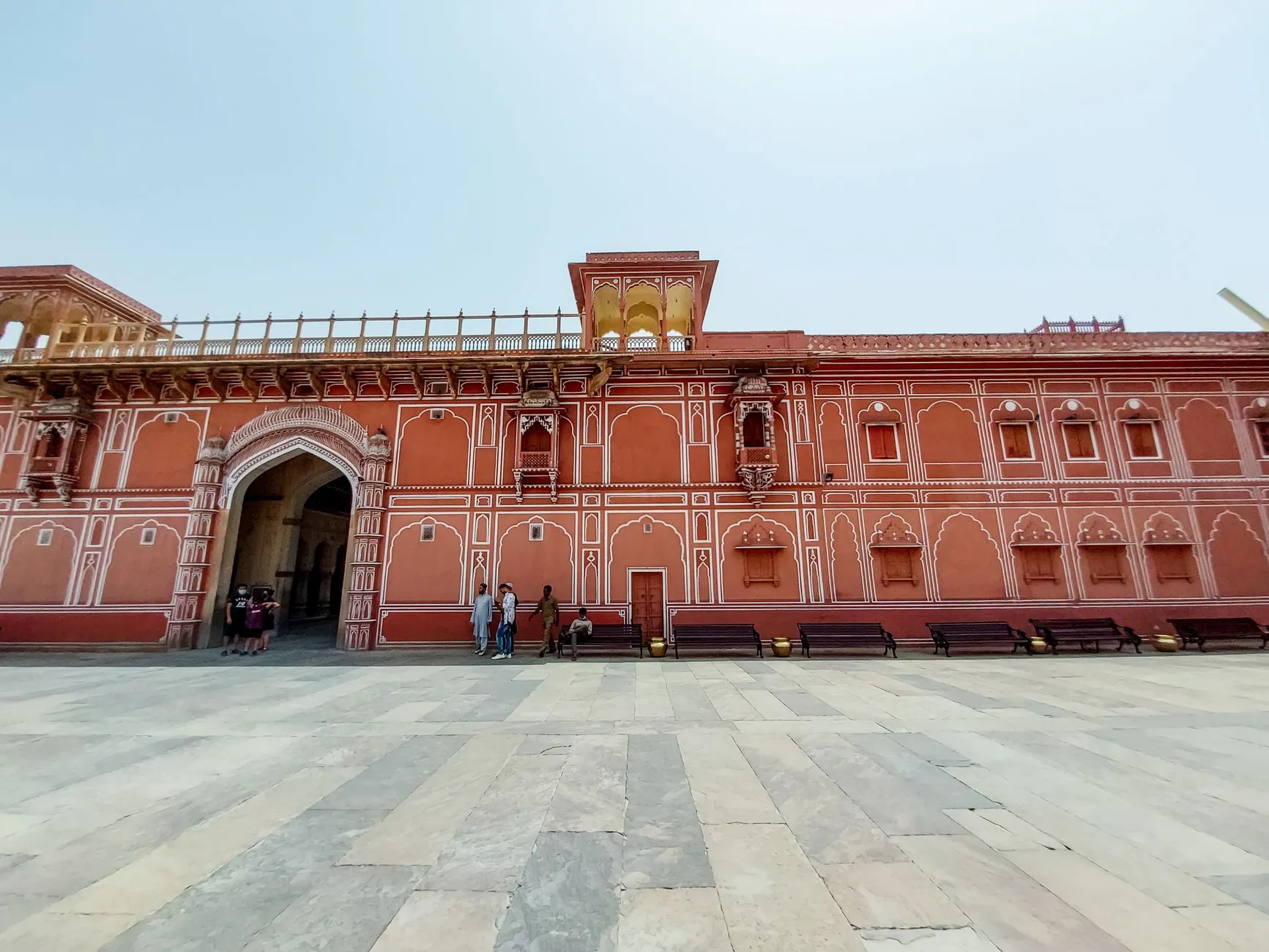
This is an example story. Rangoli Routes is a composite business based on how teams like it work. It shows what Montr is built to do, not results from a named customer.
The problem
Rangoli Routes plans heritage and wildlife trips across Rajasthan for families and small groups. Enquiries come from Instagram, Meta lead ads and referrals. A typical customer asks for a rough itinerary, gets a quote and takes a week to decide.
The six-person team tracked quotes in a spreadsheet. Replies to new enquiries depended on who was at their desk. Once a quote was sent, there was no rule for when to follow up, so some customers got three messages and some got none. A quote that went quiet was forgotten.
What they set up
They built an enquiry form and connected their Meta lead ads. Every enquiry becomes a contact in the CRM with the destination, travel dates and group size. Duplicates are flagged, so a family that fills the form twice stays one contact.
A new enquiry gets a WhatsApp reply within a minute: thanks, a short question about dates, and a link to book a call. If WhatsApp can’t carry it, the same message goes by email. A trip planner is assigned by round-robin and gets a task.
The CRM pipeline has five stages: Enquiry, Itinerary sent, Quote sent, Booked, Travelled. Planners drag a deal between stages. Itineraries and packing notes sit in Documents, and the planner attaches the right one in a reply.
The agency followed the agency pipeline playbook for quotes. When a deal enters Quote sent, an automation creates follow-up tasks for day 2, day 5 and day 10. If a customer replies, the planner closes the tasks. If a quote goes quiet after day 10, the deal is flagged as stale.
After a trip, a short feedback form goes out on WhatsApp. Happy customers get a link to leave a review, and the planner adds a note about what to offer them next season.
For ads, a planner asks the AI agent to draft a campaign for the winter wildlife season. The proposal arrives on an approval card with the budget, targeting and creative, and the owner approves it. The campaign is created paused, and the owner switches it on in Meta after reading it.
What changed
Every enquiry gets a reply, and every quote has a follow-up schedule that doesn’t depend on anyone’s memory. On a Monday, the owner opens the pipeline and sees which quotes are about to go stale.
Planners stopped keeping private spreadsheets. The history of a customer’s conversations, itineraries and tasks sits on one record, so a colleague can pick up a trip when the planner is away.
Ad drafts are no longer a surprise on the credit card. Nothing runs until the owner has seen the full draft and switched it on herself.